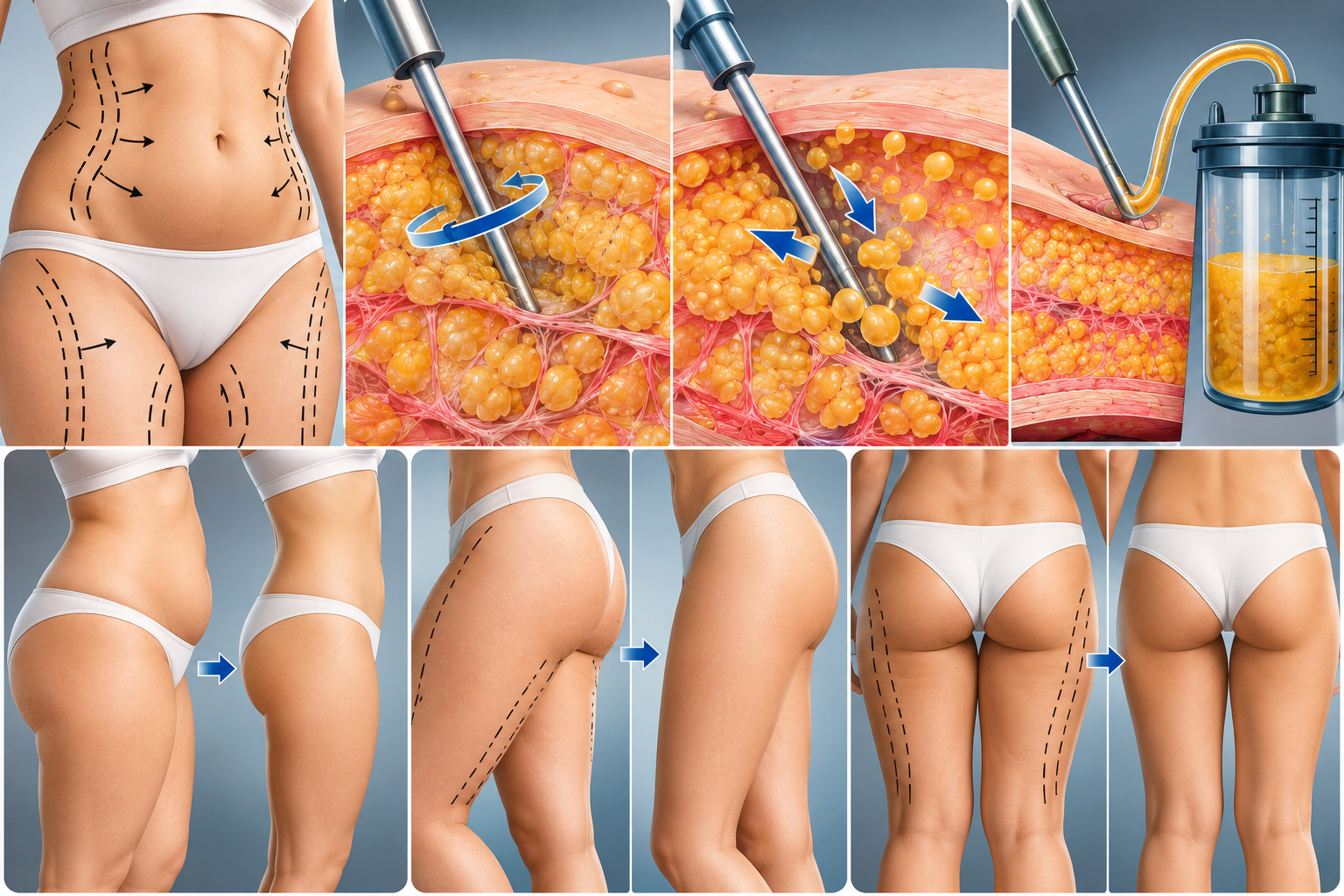
Liposuction is a procedure in which localized fat deposits in certain areas of the body that do not sufficiently decrease with diet or exercise are removed using surgical methods. Also known medically as lipoplasty, this technique is used to improve the overall shape and proportions of the body.
During the procedure, small incisions are made in the skin and a thin cannula is inserted into the area containing the fat tissue. The fat tissue is carefully loosened and removed with the help of suction. The technique and anesthesia method to be used are determined according to the individual's needs and the surgeon's evaluation.
Which Areas Can Liposuction Be Applied To?
Liposuction can be used to reduce localized fat deposits in different areas of the body. The most commonly treated areas include:
Abdomen and waist
Hips and buttocks
Thighs
Back
Upper arms
Inner knees
Chin and neck area
Chest area
Calves and ankles
The area to be treated is determined by evaluating the individual's body structure, fat distribution, skin characteristics and expectations.
How Is Liposuction Performed?
Before liposuction, the surgeon performs a detailed evaluation. The patient's general health, medications, previous surgeries, expectations and the areas they want to have treated are assessed.
During the surgery, the appropriate anesthesia method is first administered. Small incisions are then made in the treatment area. A thin cannula is inserted through these incisions, and the fat tissue is loosened with controlled movements and removed from the body using a suction system.
In addition to traditional liposuction, different techniques such as power-assisted, ultrasound-assisted, laser-assisted and water-assisted liposuction are also available. The technique to be used is determined by the surgeon according to the patient's anatomy and treatment goals.
Is Liposuction a Weight-Loss Surgery?
No. Liposuction is not an obesity treatment or a weight-loss surgery. The procedure is primarily intended to reduce localized fat deposits that may remain despite lifestyle changes and to contour specific areas of the body.
For this reason, it is important for people considering liposuction to have realistic expectations. People who want to lose a significant amount of weight may first need appropriate weight management and a health assessment.
Who May Be Suitable for Liposuction?
Suitability for liposuction varies from person to person. In general, people who have localized fat deposits, are in sufficiently good general health for surgery and have realistic expectations may be considered for the procedure.
Skin elasticity is also important for the outcome. If the skin does not have sufficient elasticity, removing fat alone may not produce the desired appearance. In some cases, another surgical procedure to remove excess skin may be considered.
Therefore, the decision to undergo liposuction should not be based solely on the amount of fat. Skin structure, body proportions, general health and the individual's goals should all be evaluated together.
What Is the Difference Between Liposuction and a Tummy Tuck?
Liposuction and a tummy tuck are not the same procedure.
Liposuction primarily aims to reduce localized fat tissue and contour the body.
A tummy tuck (abdominoplasty) is performed particularly when there is excess skin, with the aim of removing excess skin and, when necessary, correcting looseness of the abdominal wall.
In some patients, these procedures may be considered together or at different stages. However, whether this is appropriate depends on the individual's health condition and surgical needs.
Recovery After Liposuction
Swelling, bruising and tenderness may occur after liposuction. When recommended by the doctor, compression garments may help control swelling and support the healing process.
The recovery period varies depending on the extent of the procedure, the treated area, the amount of fat removed and the individual's general health.
During the initial period, it is important to limit physical activities and follow the doctor's recommendations.
Swelling gradually decreases over time, and changes in body contour become more noticeable. The completion of the healing process should be awaited before evaluating the final results.
Are the Results of Liposuction Permanent?
Some of the fat cells in specific areas are physically removed through liposuction. However, the procedure does not prevent future weight gain. Significant weight gain may change the body shape and the results achieved.
Healthy nutrition and regular physical activity, once permitted by the doctor, can help maintain the results.
What Are the Risks of Liposuction?
Liposuction is a surgical procedure and, like other surgeries, carries certain risks. Possible complications may include infection, bleeding, fluid accumulation, swelling, changes in skin sensation, irregular contours or asymmetry, wound-healing problems and complications related to anesthesia. More serious but less common complications may also occur.
For this reason, it is important to openly inform the surgeon about your medical history, medications and existing risk factors before the procedure.
What Should Be Considered Before Liposuction?
Anyone considering liposuction should first consult an experienced and qualified plastic surgeon. During the consultation, the procedure, treatment areas, technique to be used, expected results, recovery process and possible risks should be discussed in detail.
Medications, vitamins, herbal products, smoking or other tobacco products, and previous surgeries should also be reported to the doctor. Some medications or supplements may need to be adjusted before surgery.
Conclusion
Liposuction is a surgical method that aims to create a more balanced and contoured body shape by reducing localized fat deposits in specific areas. It may be preferred for contouring localized fat that remains after weight loss or fat deposits that are resistant to diet and exercise.
However, liposuction is not a weight-loss method and may not be suitable for everyone. The safety of the procedure and the expected results are closely related to the individual's general health, skin structure, fat distribution and surgical planning. Therefore, personal evaluation by a specialist plastic surgeon is important before making a decision.
Medical Disclaimer: This article has been prepared for general informational purposes. Suitability for liposuction, the technique to be used, anesthesia method, risks and recovery process may vary from person to person. Medical decisions should be made following a personal evaluation by a qualified physician.
Related Articles
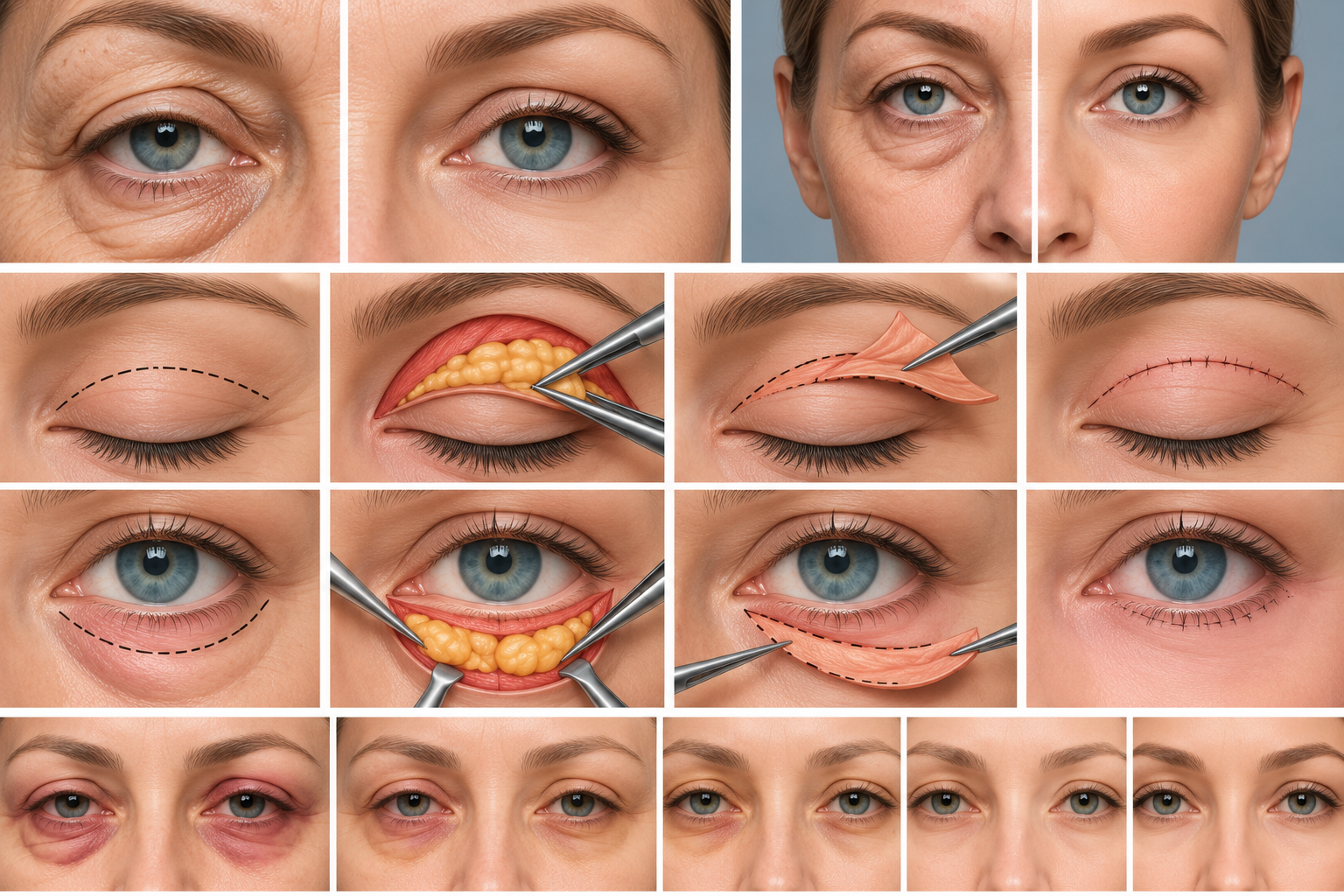
What Is Eyelid Surgery?
Eyelid surgery is a surgical aesthetic procedure aimed at reducing the appearance of excess skin, fat tissue, and sagging in the upper and lower eyelids caused by aging, genetic characteristics, or skin structure. The procedure may help the eye area appear more refreshed and balanced.
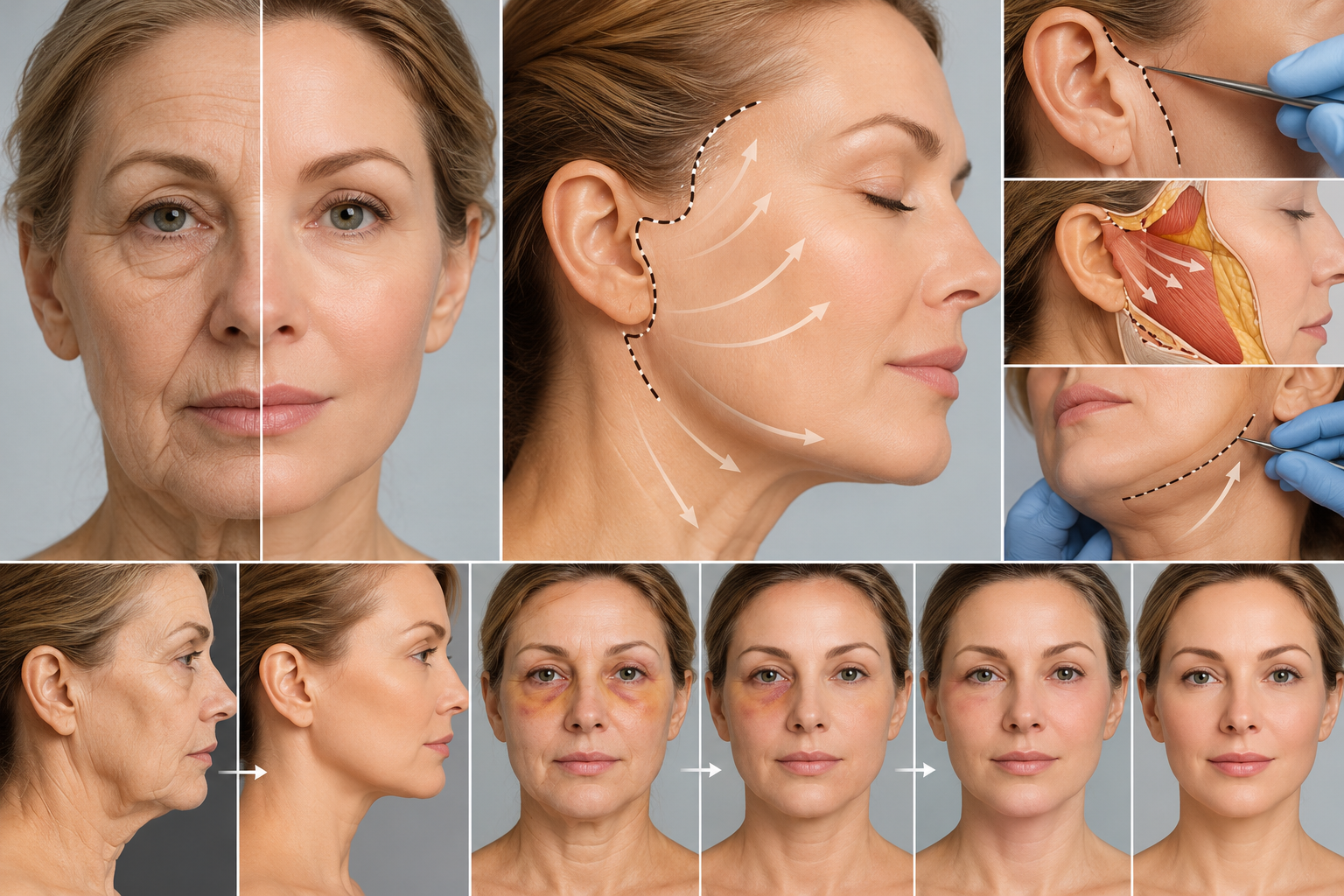
What You Need to Know About Facelift Surgery
Facelift surgery is a surgical aesthetic procedure intended to reduce the appearance of sagging and looseness in the face and neck that occur with aging. Having information about the preoperative evaluation, choosing the appropriate technique, and the recovery process can help patients make more informed decisions about their treatment plan.