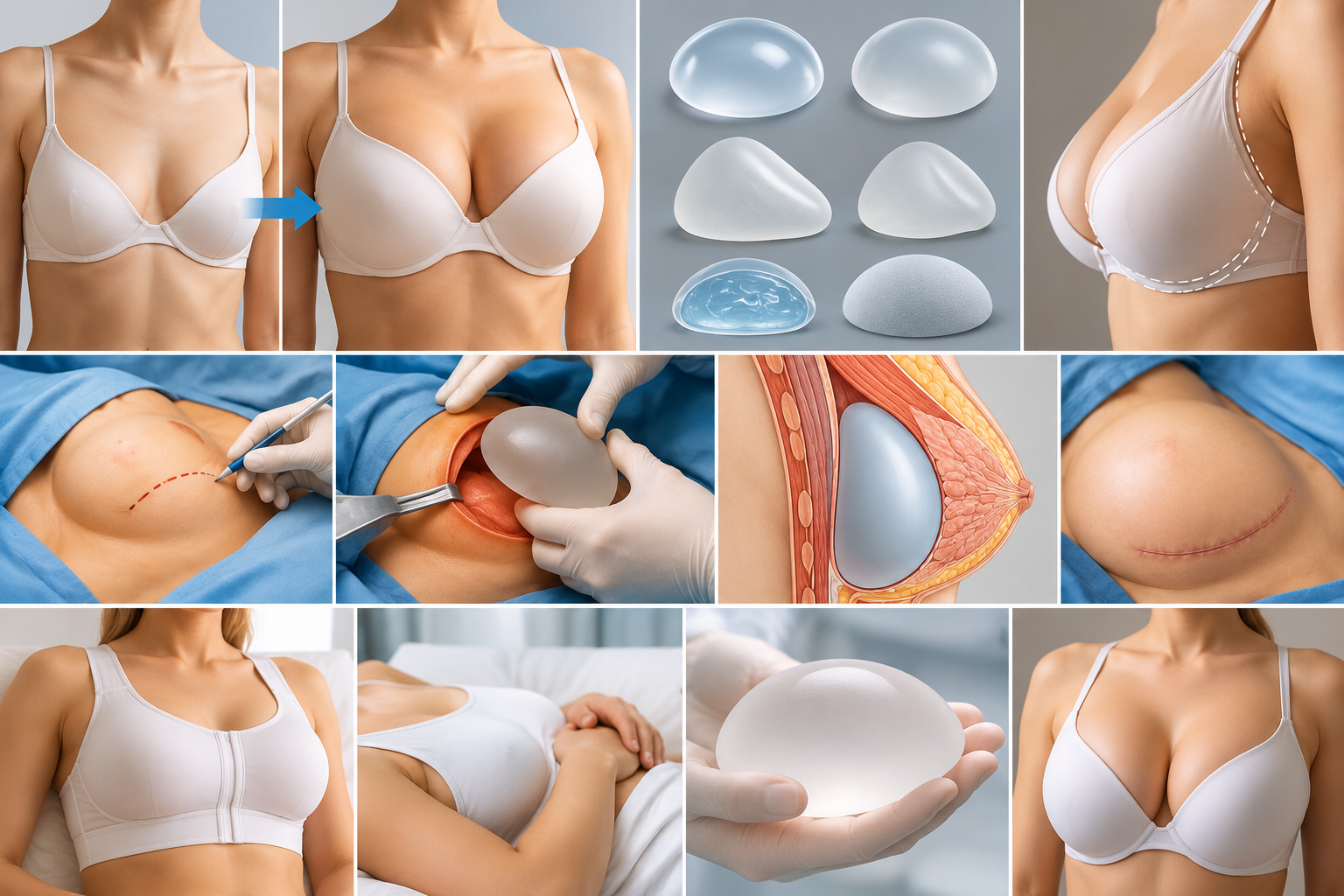
What Is Breast Augmentation Surgery?
Breast augmentation surgery is a cosmetic surgical procedure performed to increase breast volume. Silicone breast implants are generally used during the procedure. In some patients, breast volume can also be increased using the patient's own fat tissue.
The procedure may be performed not only to increase breast size, but also to restore lost breast volume, create more balanced body proportions, or correct volume loss following pregnancy and weight changes.
How Is a Breast Implant Selected?
The breast implant should be selected individually for each patient. The size, shape, projection, and placement of the implant are determined by considering the patient's body structure, chest width, existing breast tissue, and aesthetic expectations.
Round and anatomical implants are among the most commonly used options. Both types have different characteristics. Therefore, it is important for the patient and plastic surgeon to decide together which implant is appropriate.
Where Is the Implant Placed?
Breast implants may be placed under the chest muscle, under the breast tissue, or partially under the muscle in some cases. The appropriate technique depends on the patient's anatomical characteristics and the properties of the implant.
The surgeon evaluates the breast tissue and chest structure before surgery and determines the most appropriate placement technique.
How Is the Surgery Performed?
Breast augmentation surgery is generally performed under general anesthesia. The surgeon makes an incision in the predetermined area and creates a suitable pocket for the implant. The implant is then placed into this area and the incision is closed.
The duration of the surgery may vary depending on the technique used and whether additional procedures are performed. In some patients, breast augmentation may be combined with other cosmetic procedures such as a breast lift.
What Should Be Considered Before Surgery?
A detailed consultation with the doctor before surgery is important. During this consultation, the patient's medical history, medications, allergies, previous surgeries, and expectations are evaluated.
Blood tests and other medical examinations may be performed if considered necessary by the doctor. Some medications or supplements may need to be adjusted before surgery. Therefore, it is important to inform the doctor about all medications and supplements being used.
Clearly communicating expectations can also help with personalized implant selection and surgical planning.
What Is the Recovery Process Like?
After surgery, pain, swelling, tenderness, and a feeling of tightness may occur in the breast area. These symptoms may vary from person to person and generally decrease during the recovery period.
The use of a special surgical bra and limiting physical activities for a certain period may be recommended by the doctor. The time required to return to work and daily activities varies depending on the extent of the surgery and the individual's recovery.
The surgeon's recommendations should be followed regarding when to resume strenuous exercise, particularly activities that heavily engage the chest muscles.
Are There Risks Associated with Breast Augmentation Surgery?
Like any surgical procedure, breast augmentation surgery carries certain risks. Complications such as infection, bleeding, wound-healing problems, changes in sensation, asymmetry, and capsular contracture may occur.
Implants may also shift, change shape, or become damaged over time. There is no guarantee that implants will last for a lifetime, and monitoring or additional surgery may be required in the future.
Before surgery, it is important to discuss potential risks, implant characteristics, and long-term follow-up requirements in detail with the doctor.
Will There Be Scars After Breast Augmentation Surgery?
A scar is expected in the area where the incision is made. The appearance of the scar may vary depending on the incision technique, individual wound-healing characteristics, and postoperative care.
The surgeon generally plans the incision in an area where the scar can be concealed as much as possible. Over time, the appearance of the surgical scar may change and become less noticeable.
What Should You Consider When Choosing a Doctor for Breast Augmentation?
People considering breast augmentation should consult a doctor who specializes in plastic, reconstructive, and aesthetic surgery.
In addition to the surgeon's qualifications and experience, the conditions of the hospital where the surgery will be performed, the reliability of the implants used, preoperative evaluation, postoperative follow-up, and healthcare services available in case of complications should also be considered.
Rather than making a decision based solely on price, it may be more appropriate to evaluate all stages of the procedure together.
Breast Augmentation Surgery in Türkiye
Türkiye is one of the countries chosen by international patients for aesthetic and plastic surgery procedures. People considering breast augmentation in Türkiye should conduct detailed research about the hospital and surgeon.
International patients should evaluate not only the surgery price, but also the medical consultation, preoperative examinations, hospital services, implant characteristics, accommodation and transfer services, and postoperative follow-up.
When comparing offers from different hospitals and surgeons, it is also important to check whether the scope of the services included in each offer is the same. Comparing only total prices can be misleading because the healthcare services included may differ.
Conclusion
Breast augmentation surgery is a personalized surgical procedure that should be planned according to the individual's body structure and expectations. Many factors, from implant type and size to surgical technique, surgeon selection, and postoperative follow-up, are important when planning the procedure.
Before deciding on surgery, a detailed evaluation by a qualified plastic surgeon should be performed, and the expected results and potential risks should be discussed clearly. Especially for international patients, it is important to obtain sufficient information about the reliability of the healthcare provider, the surgeon's qualifications, the medical products used, and the postoperative follow-up process.
Note: This article is intended for general informational purposes and does not replace medical diagnosis or personalized treatment advice. Whether breast augmentation surgery is appropriate for you should be determined by a specialist doctor following a medical examination and evaluation.
Related Articles
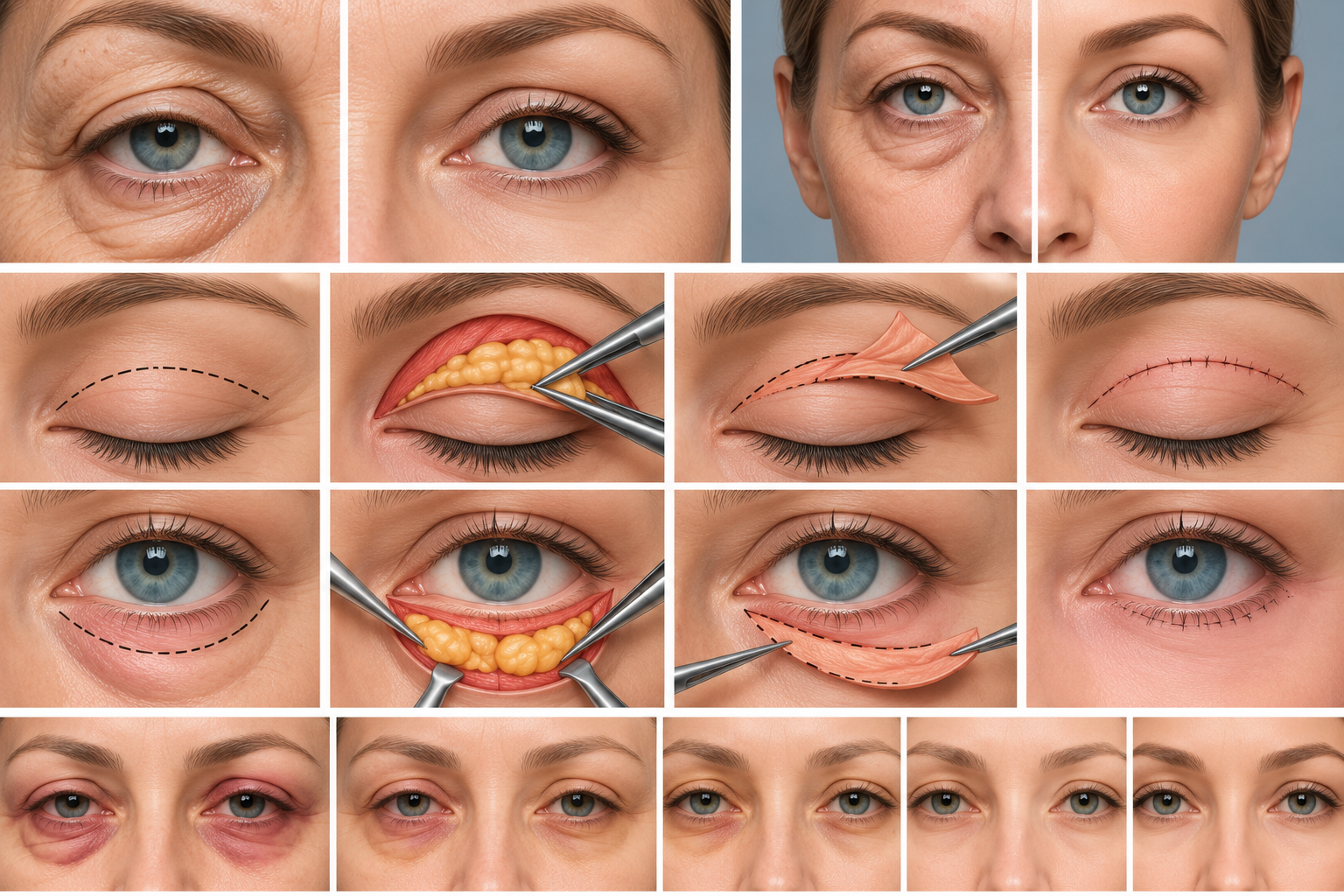
What Is Eyelid Surgery?
Eyelid surgery is a surgical aesthetic procedure aimed at reducing the appearance of excess skin, fat tissue, and sagging in the upper and lower eyelids caused by aging, genetic characteristics, or skin structure. The procedure may help the eye area appear more refreshed and balanced.
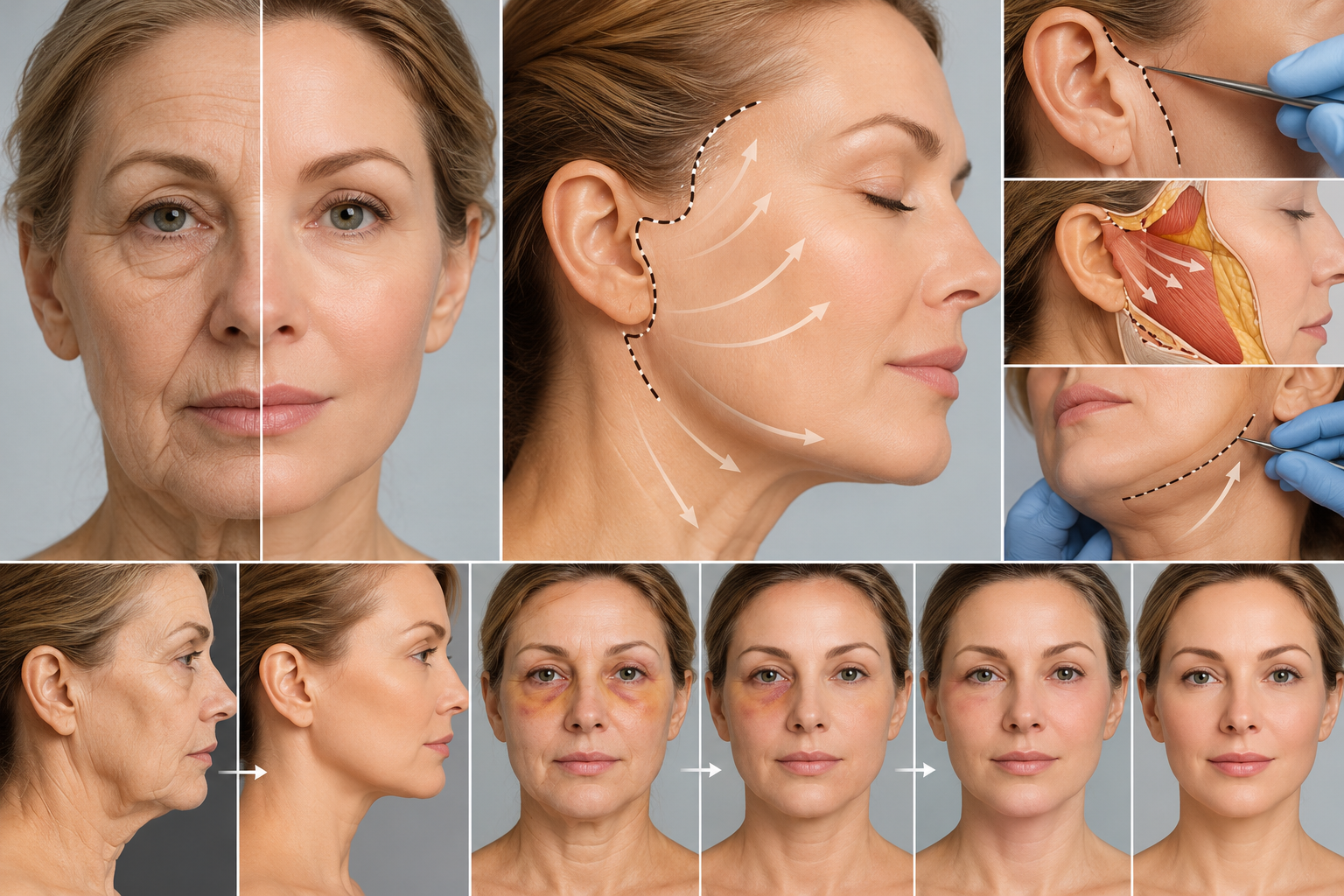
What You Need to Know About Facelift Surgery
Facelift surgery is a surgical aesthetic procedure intended to reduce the appearance of sagging and looseness in the face and neck that occur with aging. Having information about the preoperative evaluation, choosing the appropriate technique, and the recovery process can help patients make more informed decisions about their treatment plan.